
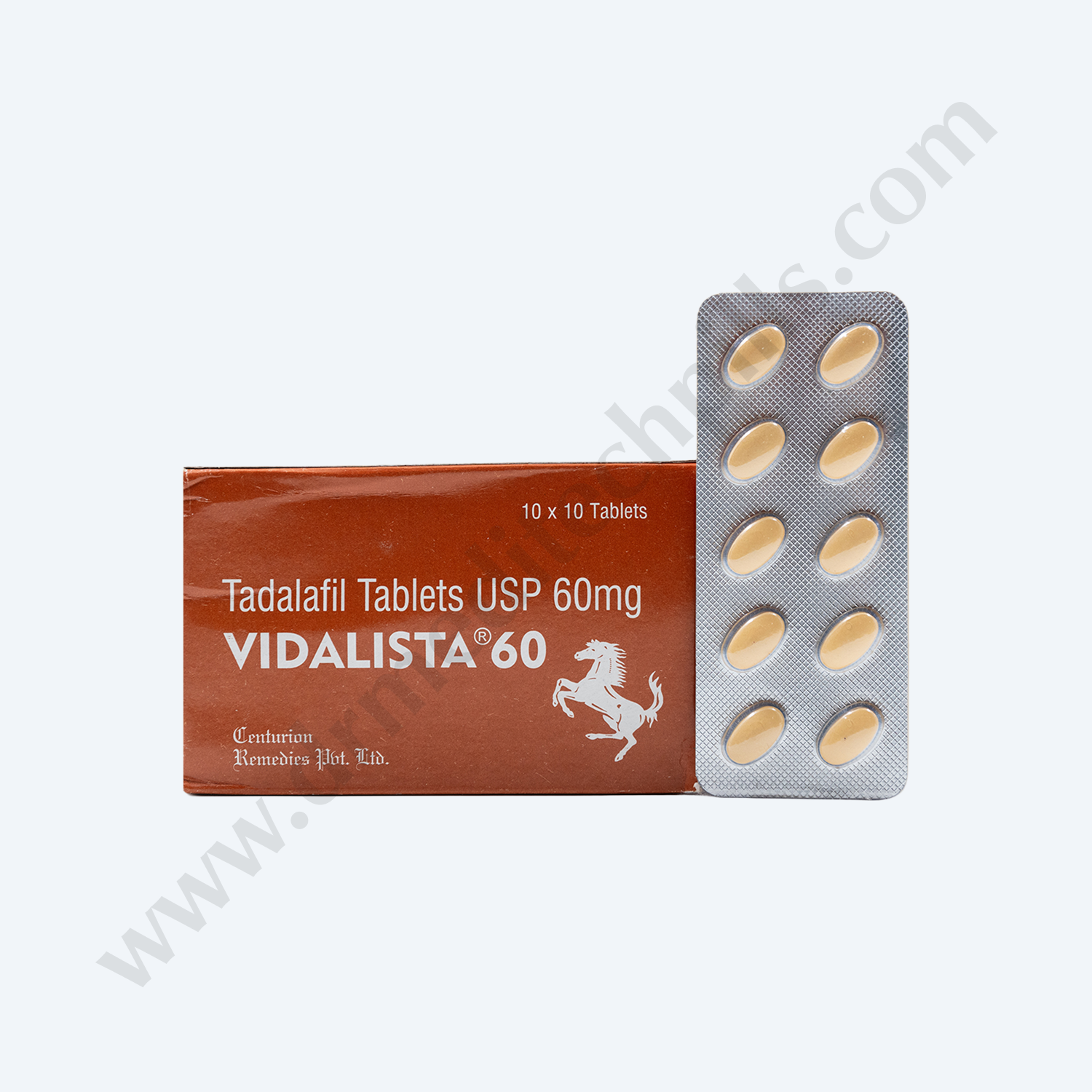
For individuals experiencing erectile dysfunction, seeking a reliable solution can be critical for improving quality of life. The formulation containing 60 mg of active ingredient offers a potent response to this condition, assisting in achieving and maintaining an erection during sexual activity. With its active component, Tadalafil, this remedy is designed to enhance blood flow to the penis, resulting in successful sexual encounters.
Clinical studies indicate that around 80% of men report positive effects after using a therapeutic dose of Tadalafil. Its effectiveness can last up to 36 hours, which provides the flexibility for intimate moments without the pressure of immediate timing. This duration is significantly longer compared to some other options on the market, allowing for more spontaneous interactions. When considering dosage, it is advised to take it approximately 30 minutes before the anticipated activity, ensuring optimal results.
Dosage Guidelines:
- Start with half of the prescribed dose if you are new to this treatment.
- Do not exceed one dosage in a 24-hour period.
- Consult a healthcare provider to determine personal suitability and potential drug interactions.
For additional information on this effective remedy, visit Vidalista 60 Mg Tablet. Understanding the correct application can lead to improved sexual health and satisfaction.
Key Benefits:
| Benefit | Description |
|---|---|
| Long-lasting effects | Up to 36 hours of effectiveness allows for more spontaneous intimacy. |
| High success rate | Around 80% user satisfaction reported in clinical trials. |
| Quick action | Works within 30 minutes, ideal for planned intimate moments. |
Dosage Guidelines and Administration Methods

The standard dosage is 60 mg, typically administered once per day. This should be taken approximately 30 to 60 minutes before sexual activity. It’s advised not to exceed this dosage within a 24-hour period to reduce the risk of adverse effects.
Dosage adjustments may be necessary based on individual response and any underlying health conditions. Males aged 65 years or older should consult a healthcare professional for tailored recommendations. Patients with liver or kidney impairment should also seek medical advice regarding suitable dosages.
Administration should be with a full glass of water. Avoid consumption with high-fat meals as this may delay the onset of action. This oral medication does not require food intake for efficacy but taking it on an empty stomach can yield quicker results.
The following table summarizes key dosage information:
| Dosage (mg) | Recommended Frequency | Onset of Action |
|---|---|---|
| 60 | Once Daily | 30-60 minutes |
Adverse reactions may include headaches, flushing, and nasal congestion. In cases of severe side effects, immediate medical attention is recommended. Users should be aware of potential drug interactions, particularly with nitrates and certain antihypertensives.
- Consult a healthcare provider if heart conditions are present.
- Refrain from using in combination with alcohol.
- Do not operate heavy machinery until the individual’s response is known.
Regular follow-up with a healthcare provider is recommended to monitor effectiveness and any side effects. Adjustments to the dosage may be made based on the assessment of tolerance and efficacy.
Potential Side Effects and Interactions to Consider
Common adverse reactions associated with this medication include headaches, flushing, and digestive discomfort. Approximately 15% of users report experiencing mild to moderate headaches, while around 10% may encounter flushing. Gastrointestinal disturbances, such as nausea or indigestion, occur in about 5% of patients.
Less Frequent Side Effects
While rare, some individuals may experience visual disturbances, such as increased sensitivity to light or blurred vision. These effects are reported in less than 2% of users. Other potential issues include dizziness and prolonged erections, which may occur infrequently but require medical attention if they persist for more than four hours.
Drug Interactions
Certain medications can interact negatively with the compound, amplifying side effects or diminishing efficacy. For example, combining this medication with nitrates can lead to a severe drop in blood pressure. This scenario can be particularly dangerous, potentially resulting in syncope or cardiovascular complications.
Other classes of medications that may interact include:
- Antiretroviral drugs
- Antifungal agents
- Antihypertensives
Patients should disclose all current medications to their healthcare provider, ensuring a comprehensive review to avoid harmful interactions. A recent analysis indicated that up to 30% of patients were on medications that could interact with this treatment, underscoring the need for caution.
Alcohol consumption can also exacerbate side effects like dizziness and flushing. It is advisable to limit or avoid alcohol intake while using this medication. The combination of alcohol and this drug can increase the risk of cardiovascular events.
| Side Effect | Incidence Rate (%) |
|---|---|
| Headache | 15 |
| Flushing | 10 |
| Nausea | 5 |
| Visual Disturbances | 2 |
| Dizziness | Variable |